
Uncategorized
Wildflower Honey: What It Is and Why Every Jar Tastes Different
Nov
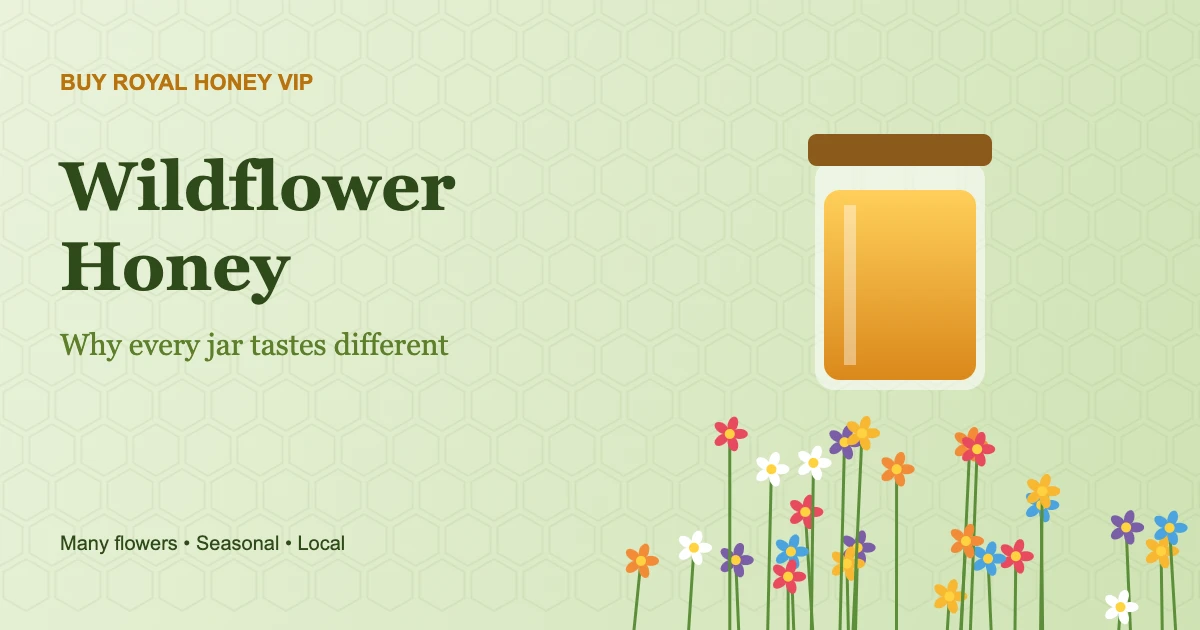
Wildflower honey is honey made by bees from the nectar of many different flowers growing in the same area. Because the mix of flowers changes with the place and the season, no two batches taste exactly alike — and that’s exactly what makes it special. Here’s what wildflower honey is, how it differs from single-flower honeys, and how to enjoy it.
What is wildflower honey?
Beekeepers call honey from a mix of flowers polyfloral (or multifloral) honey. “Wildflower honey” is the common name for it. The bees forage on whatever is blooming within a few kilometres of their hive — wild meadow flowers, clover, fruit trees, herbs, shrubs and more — and blend all that nectar into one honey.
By contrast, monofloral honeys come mainly from one plant, such as acacia, Sidr, buckwheat or Manuka. They have a more predictable flavour. Learn more in our guide to the types of honey.
Why every jar tastes different
- Season: spring wildflower honey is often lighter and more delicate; late-summer and autumn honey tends to be darker and fuller-flavoured.
- Location: the local mix of plants — mountains, meadows, farmland or forest — creates a unique “taste of place”.
- Weather: rain, heat and drought change which flowers produce nectar each year.
- Processing: raw wildflower honey keeps more of its natural aroma than heavily heated and filtered honey — see raw honey vs regular honey.
Wildflower honey at a glance
| Feature | Typical wildflower honey |
|---|---|
| Colour | Anywhere from light gold to dark amber |
| Flavour | Floral and fruity to rich and earthy, depending on the flowers |
| Texture | Smooth when liquid; often crystallises within weeks or months |
| Source | Many different flowers (polyfloral) |
| Price | Usually more affordable than rare single-flower honeys |
Wildflower vs clover vs acacia honey
- Wildflower: complex and variable — every batch is a little different.
- Clover: a monofloral honey with a mild, classic, consistent sweetness.
- Acacia: very light, delicate and slow to crystallise — read our acacia honey guide.
Does local wildflower honey help with hay fever?
It’s a popular idea that eating local wildflower honey can “train” your body against pollen allergies. Unfortunately, controlled studies haven’t shown a reliable benefit, and most allergy-causing pollen comes from grasses and trees that are spread by wind rather than by bees. Enjoy wildflower honey for its taste — but don’t rely on it to treat allergies. Read more in Is honey good for you?
How to use wildflower honey
- Everyday sweetener: in tea, coffee, porridge and yoghurt — see the best honey for tea.
- Baking: a lovely all-rounder for cakes and breads, like our honey cake.
- Dressings and sauces: try our honey mustard dressing.
- Spreads: whip it into honey butter, or turn it into smooth creamed honey — wildflower honey crystallises easily, which makes it perfect for creaming.
Crystallised wildflower honey? That’s normal
Because many wildflower honeys are rich in glucose, they often crystallise quickly. It’s a natural process and a sign of real honey, not spoilage. To make it runny again, stand the jar in warm (not boiling) water. See how to store honey for more tips.
How to choose good wildflower honey
- Look for a clear country or region of origin on the label.
- Choose “raw” or “unfiltered” if you want more natural aroma.
- Be wary of very cheap honey, which may be blended or diluted — here’s how to spot real vs fake honey.
Good to know
- Never give honey to babies under 12 months — read when can babies have honey?
- Honey is still sugar — enjoy it in moderation.
- Avoid it if you’re allergic to pollen or bee products.
Explore our natural honey collection, including premium single-flower honeys like Sidr honey and Manuka honey. See our shipping & returns page and FAQ for order details.
Read more: Types of Honey · Buckwheat Honey · Acacia Honey Guide
