Uncategorized
Orange Blossom Honey: Taste, Uses and Where It Comes From
Nov
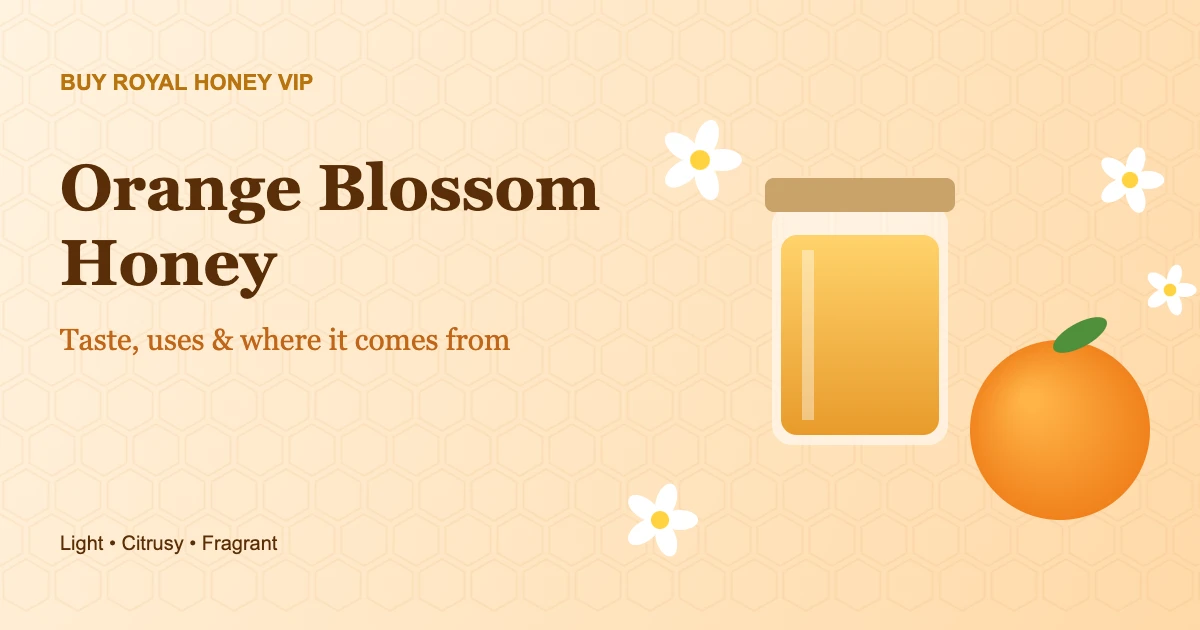
Open a jar of orange blossom honey and the first thing you notice is the scent — fresh, floral and lightly citrusy, like an orange grove in spring. It’s one of the most fragrant honeys you can buy and a favourite for tea, desserts and breakfast. Here’s what orange blossom honey is, how it tastes, where it comes from and how to use it.
What is orange blossom honey?
Orange blossom honey is made by bees from the nectar of citrus flowers — mainly orange trees, and sometimes other citrus such as lemon, mandarin or grapefruit. Citrus trees bloom for a short time in spring, filling orchards with white, sweet-smelling blossoms that bees love.
Because it comes mainly from one type of plant, it’s a monofloral honey with a recognisable flavour. Compare it with other varieties in our types of honey guide.
Where does it come from?
Orange blossom honey is produced wherever large citrus orchards grow — for example in Spain (where it’s called miel de azahar), Italy, Mexico, and the US states of Florida and California. Each region’s honey tastes a little different depending on the citrus varieties and climate.
What does orange blossom honey taste like?
| Feature | Orange blossom honey |
|---|---|
| Colour | Light gold to light amber |
| Flavour | Sweet, fruity and floral with a gentle citrus note |
| Aroma | Strongly perfumed, like citrus flowers |
| Texture | Smooth; can crystallise into a fine, creamy texture |
| Sweetness | Sweet but fresh rather than heavy |
It doesn’t taste like orange juice — it’s honey made from the flowers, not the fruit — but the citrus aroma is unmistakable.
How does it compare with other honeys?
- vs clover: both are light, but orange blossom is more fragrant and fruity, while clover is milder and more neutral.
- vs acacia: acacia is paler, more delicate and stays liquid longer; orange blossom has more perfume.
- vs wildflower: wildflower varies from batch to batch; orange blossom is more consistent.
- vs buckwheat: complete opposites — buckwheat is dark and malty, orange blossom is light and floral.
How to use orange blossom honey
- Tea: beautiful in black, green and herbal teas — see the best honey for tea and our honey lemon ginger tea.
- Breakfast: drizzle over Greek yoghurt, fruit salad, granola, pancakes or toast.
- Desserts: lovely in cakes, pastries and panna cotta — try it in our honey cake with orange zest.
- Dressings and glazes: pairs well with citrus dressings, roast chicken or duck, and carrots. Try it in our honey mustard dressing.
- Cheese boards: excellent with fresh goat’s cheese, ricotta and mild creamy cheeses.
- Spreads: mix with orange zest into honey butter, or make creamed honey.
Is orange blossom honey healthy?
Like other honeys, orange blossom honey is mostly natural sugars with tiny amounts of enzymes, minerals and plant compounds. Lighter honeys generally contain fewer antioxidants than darker ones. Enjoy it as a delicious alternative to white sugar — in moderation. For a balanced look at the science, read Is honey good for you?
How to choose and store it
- Look for a label that names orange or citrus blossom and the country of origin.
- Choose genuine, pure honey — learn how to spot real vs fake honey.
- Store it sealed at room temperature, away from heat and light. If it crystallises, warm the jar gently — see how to store honey.
- Its pretty colour and scent make it a lovely present — see more honey gift ideas.
Good to know
- Never give honey to babies under 12 months — read when can babies have honey?
- Avoid it if you’re allergic to bee products or pollen.
- If you have diabetes, count honey as sugar — see can diabetics eat honey?
Explore our natural honey collection, including Sidr honey and Manuka honey. See our shipping & returns page and FAQ for order details.
Read more: Clover Honey · Acacia Honey Guide · Wildflower Honey
